I almost didn’t post this study. Blaming a newly diagnosed autistic adult for not “thriving” because they don’t understand their autism diagnosis is not helpful. Perhaps self-reflection can solve everything. I thought financial stability and rest might be helpful. But here it is:
The Big Picture: Some autistic people are diagnosed later in life. This study suggests that self-reflection, community connection, and exposure to affirming autistic narratives lead to thriving after getting a late diagnosis. Merely surviving after a diagnosis leads to internalized stigma, self-blame, and a sense of powerlessness. The author concludes that a diagnosis doesn’t solve everything. Relational, informational support, and positive autistic identity reconstruction are also needed.
Study Type: Interview-based qualitative study
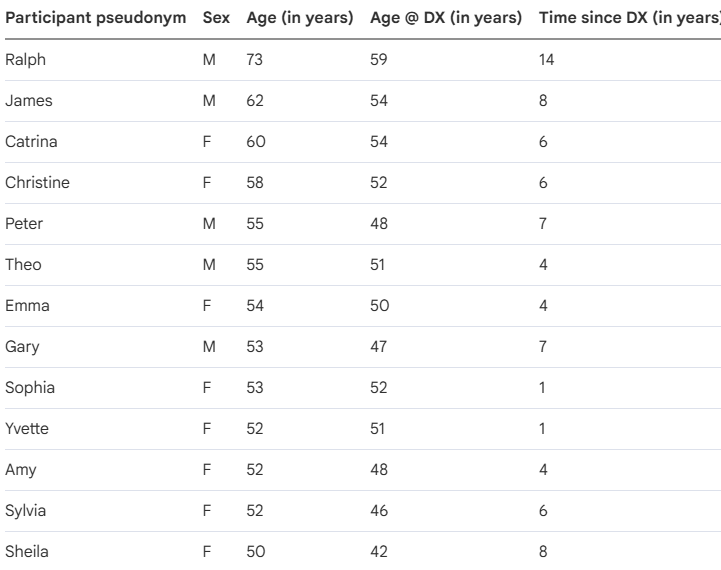
Participants:
Key Findings:
- Diagnosis: While receiving a diagnosis is widely regarded as a pivotal and beneficial moment, its immediate impact is often only the beginning.
- Surviving: Many adults find themselves in a “Surviving” pattern not because of personal failure, but because they have “fallen through the gaps” of a support system that overlooks those living independently and seemingly coping.
- Thriving: Moving toward “Thriving” requires moving beyond the diagnosis as a static label and toward a positive and engaging integration of autism into one’s core identity.
Note: Because this is a small qualitative study of only 14 people, it does not prove that late-diagnosed people can be neatly sorted into two groups. It only shows this group’s pattern.
Access Status: Open access
Direct Link: https://journals.sagepub.com/doi/10.1177/13623613261483304
 Adult Autism Insights